A latte in January and a latte in August are the same recipe on paper, but the year has a way of changing what people in China Grove actually order, how drinks are built at the counter, and what tastes right at 8 in the morning. Looking at espresso drinks across a calendar year is a useful way to learn the menu, because the seasons explain the choices.
The drinks themselves do not change: espresso plus milk, in set proportions. What changes is temperature, size, and how much milk stands between you and the coffee. Start with those proportions, then watch how the year moves people from one end of the list to the other.
The drinks, in plain ratios
A macchiato is a shot of espresso marked with a spoon of foam, the smallest milk presence on the menu. A cortado pairs espresso with about an equal amount of warm milk in a small cup or glass. A cappuccino splits the cup into thirds: espresso, steamed milk, and foam. A latte gives steamed milk the biggest share with a thin foam cap, so it drinks mild and smooth. An Americano skips milk entirely and lengthens espresso with hot water, while a straight shot is espresso alone, about an ounce, drunk quickly.
Strength follows the ratio in a simple direction. Less milk means the espresso flavor stands forward. More milk means a softer, creamier cup where the coffee is one flavor among others. Caffeine follows the shot count, not the cup size, so a small two-shot cortado can carry as much caffeine as a much larger one-shot latte.
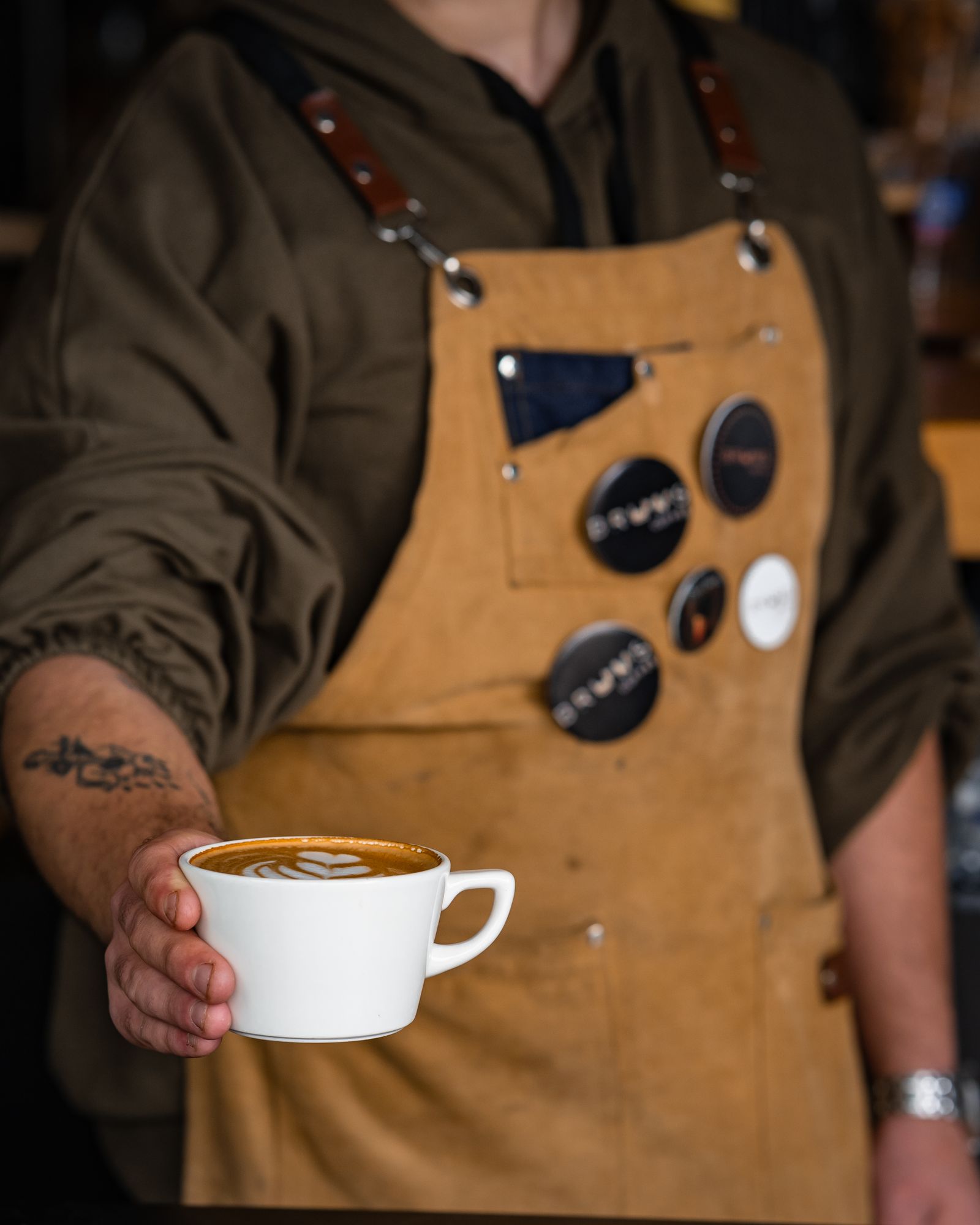
A year of ordering, season by season
The table below maps the calendar the way a coffee house counter experiences it in Piedmont North Carolina. It is a pattern guide, not a rulebook: plenty of people drink iced lattes in February and hot cappuccinos in July, and the counter will make either without comment.
| Season | What the weather does | Drinks that suit it | Ordering note |
|---|---|---|---|
| Winter, Dec to Feb | Cold mornings, early dark | Hot cappuccino, cortado, Americano | Small hot drinks hold heat well; ask for extra hot if the cup travels |
| Spring, Mar to May | Pollen season, warming afternoons | Latte, cappuccino, first iced drinks | Iced versions taste slightly stronger as ice displaces some milk |
| Summer, Jun to Aug | Hot, humid days and thunderstorms | Iced latte, iced Americano, cold drinks | Order size up for hydration is fine; add a shot if you want the coffee forward |
| Fall, Sep to Nov | Cool mornings, warm middays | Hot latte in the morning, iced by lunch | The split season is when temperature, not the drink name, is the real choice |
Keeping the ratio when the form changes
The most common ordering mistake across the year is changing the form without protecting the ratio. Moving a latte from hot to iced keeps the name but shifts the balance, because ice takes up cup space that milk would have filled. Ordering a larger size in summer does the same thing in reverse when the shot count stays fixed: more milk, quieter coffee. The fix in both cases is to name the balance you want. An extra shot restores a large iced latte, and one fewer shot softens a small hot one.
Foam behaves seasonally too. A cappuccino's thick foam cap insulates a hot drink on a cold morning, which is part of its winter appeal. In summer, that same foam on an iced drink is uncommon, and most iced orders skip foam entirely in favor of cold milk poured straight over ice.
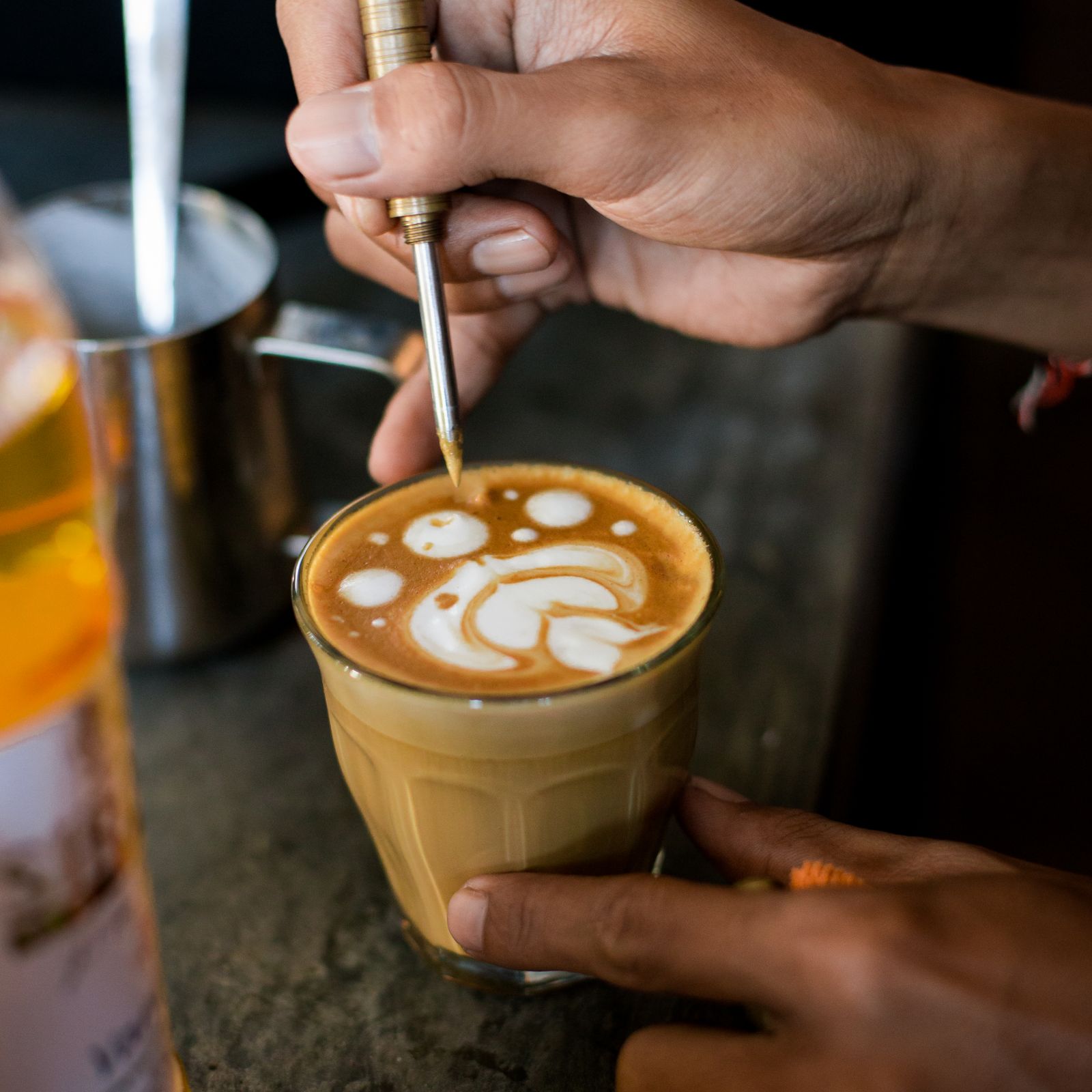
A steady order for every month
If you want one reliable habit, pick your ratio first and let the season pick the temperature. Coffee-forward drinkers can live at the cortado and cappuccino end all year, hot in winter and, for the cortado, simply smaller and quicker in summer. Milk-forward drinkers can stay with the latte and just move it over ice when the humidity arrives in China Grove.
Shops like French Express Coffee House build these drinks to order, so a plain request, small and strong or large and mild, works in any month. The calendar changes the weather outside the door. The ratio in the cup is yours to keep.
Common questions
What is the mildest espresso drink?
A latte, because steamed milk makes up the largest share of the cup. In a larger size with the same shots, it gets milder still.
Does an iced latte have the same caffeine as a hot latte?
Usually yes if the shot count is the same. Ice and milk change volume and flavor balance, but the caffeine comes from the espresso shots.
Why do cappuccinos come in smaller cups?
The classic recipe depends on equal thirds in a modest cup, around five to six ounces. A much larger cup would need far more foam to keep the same balance.
Photos in this guide are representative stock images.
← All guides from French Express Coffee House← Back to French Express Coffee House