The two-week rule is the most useful freshness guideline a coffee drinker in China Grove can learn: whole beans taste best within about two weeks of roasting, and ground coffee within days. It sounds strict until you see the reason. Coffee starts losing its aromatic compounds the moment roasting ends, and everything you do at home either slows that loss or speeds it up.
This how-to covers the parts you can do yourself: buying the right form, storing it correctly, and grinding with good timing. The professional line is equally clear, and knowing it keeps home effort where it pays off.
Why whole beans outlast ground coffee
A whole bean is its own container. Its surface is small relative to its mass, so oxygen reaches the interior slowly. Grinding shatters that protection and multiplies the exposed surface many times over, which is why a bag of pre-ground coffee can smell wonderful on day one and disappointingly flat by the end of the week. Heat, light, and moisture widen the gap further, and all three are easy to find in a kitchen if you look at where bags usually land: open, beside the stove, under a window.
Freshness has a front edge as well. Beans in the first day or two after roasting still release a lot of carbon dioxide and can brew unevenly. A few days of rest, then roughly two good weeks, is the practical arc for whole beans stored well.
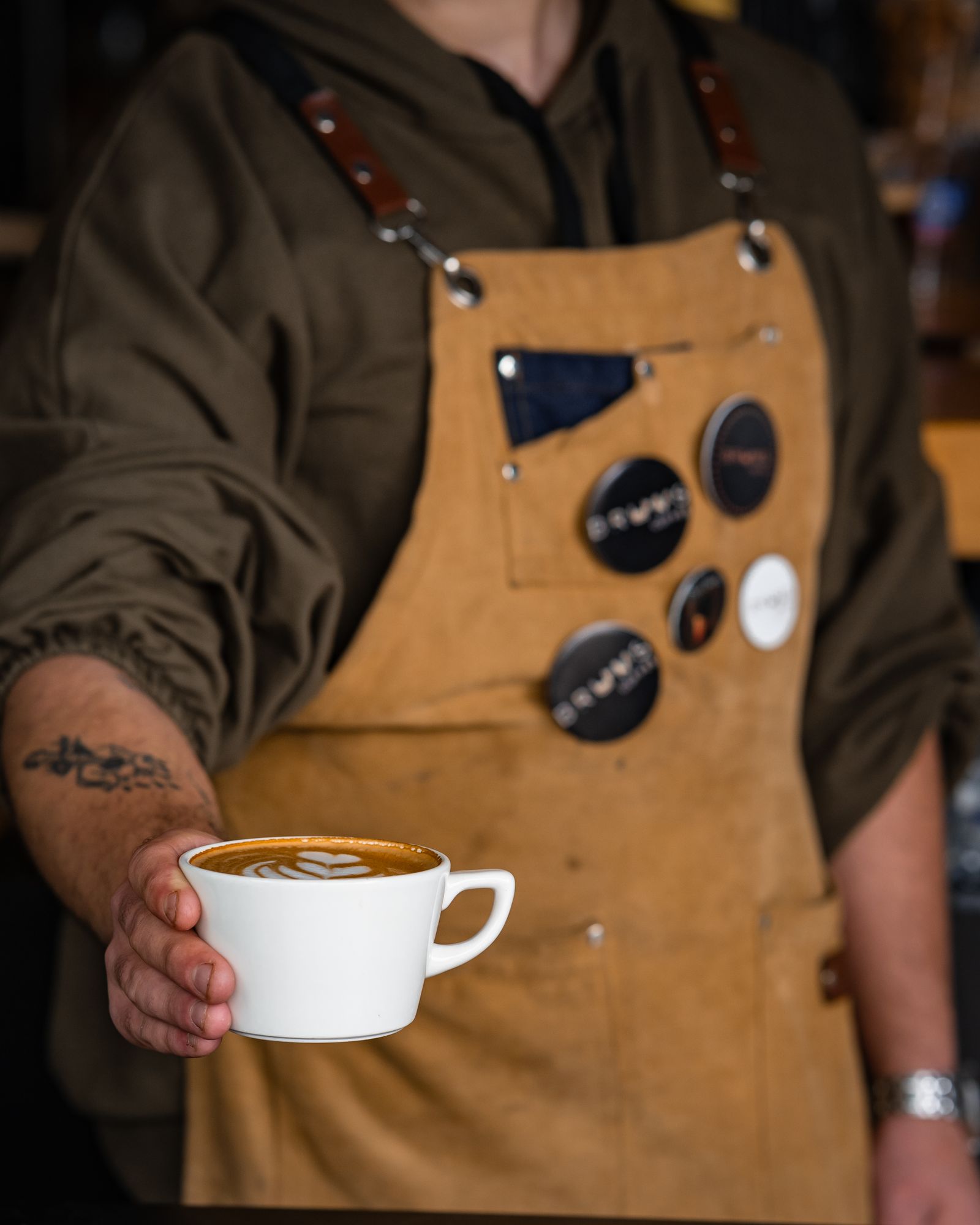
The home routine, step by step
- Buy whole beans with a roast date you can read. Choose a bag you will finish within about two weeks of opening, even if a larger bag looks like the better habit-breaker.
- Move the beans to an airtight container if the bag does not reseal well. Keep the container in a cool, dark cabinet, away from the stove and out of direct sun.
- Keep beans out of the refrigerator. Humidity and food odors work against you there. Reserve the freezer only for airtight portions you will not open for several weeks.
- Grind right before brewing, and only the amount that brew needs. A burr grinder gives the most even result; a blade grinder is workable if you pulse and shake for evenness.
- Match the grind to the method: coarse for French press and cold brew, medium for drip, medium-fine for pour-over, fine for espresso. Wrong size is the most common cause of sour or bitter cups at home.
- Taste and adjust one variable at a time. Sour and thin usually means under-extraction, so grind finer or brew a bit longer. Bitter and harsh usually means over-extraction, so go coarser or shorten the brew.
- Note the roast date when you open a new bag. When the aroma at opening turns faint and the brew stops blooming, accept the signal and plan the next bag smaller.
Where the professional line sits
Home grinding and storage are fully yours, and they deliver most of the freshness gain available. What a cafe adds is turnover, calibrated grinders adjusted daily, water at a controlled temperature, and espresso equipment that pulls shots under pressure at a consistency home setups rarely match. That is not a reason to skip the home routine. It is a reason to let the home routine do its job, better everyday cups, and let a shop like French Express Coffee House handle the drinks that depend on pressure and fine milk texture.
One more line is worth drawing: green, unroasted coffee keeps for months, but roasting at home is its own craft with its own equipment and learning curve. The two-week rule assumes roasted beans, which is where nearly every home drinker actually lives.
A smaller bag is the whole secret
If you remember one step, make it the first one. Right-sized bags, stored sealed and dark, ground at the last moment, will do more for your morning cup than any new gadget. The two-week rule is not a scolding. It is a shopping rhythm that matches how coffee actually behaves.
Common questions
How long do whole beans stay good after the two weeks?
They stay safe and drinkable well beyond two weeks if stored well. The rule marks the peak flavor window, after which taste fades gradually rather than spoiling.
Is a burr grinder worth it over a blade grinder?
For most drinkers, yes. Even grounds extract evenly, which means fewer cups that taste sour and bitter at the same time. A blade grinder still beats pre-ground coffee for freshness.
Should I buy beans at the grocery store or a coffee shop?
Either can work if the roast date is recent and visible. The date matters more than the shelf, so buy the freshest dated bag in the size you will finish in two weeks.
Photos in this guide are representative stock images.
← All guides from French Express Coffee House← Back to French Express Coffee House